Reliable QC-assisted artificial intelligence for medical diagnosis Tasks
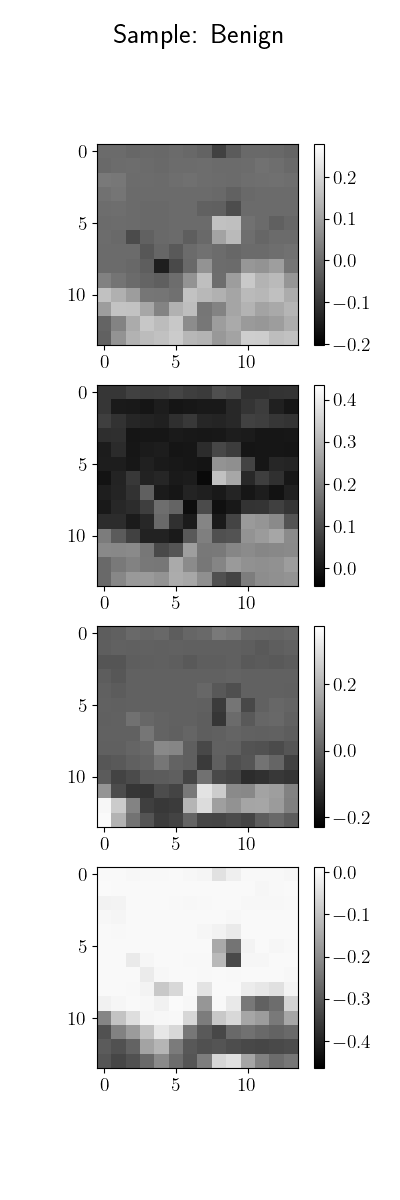
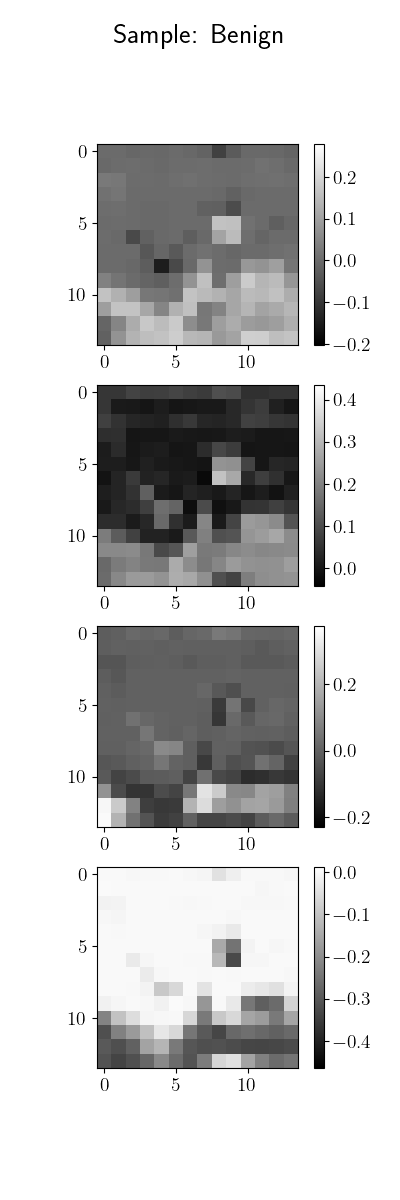
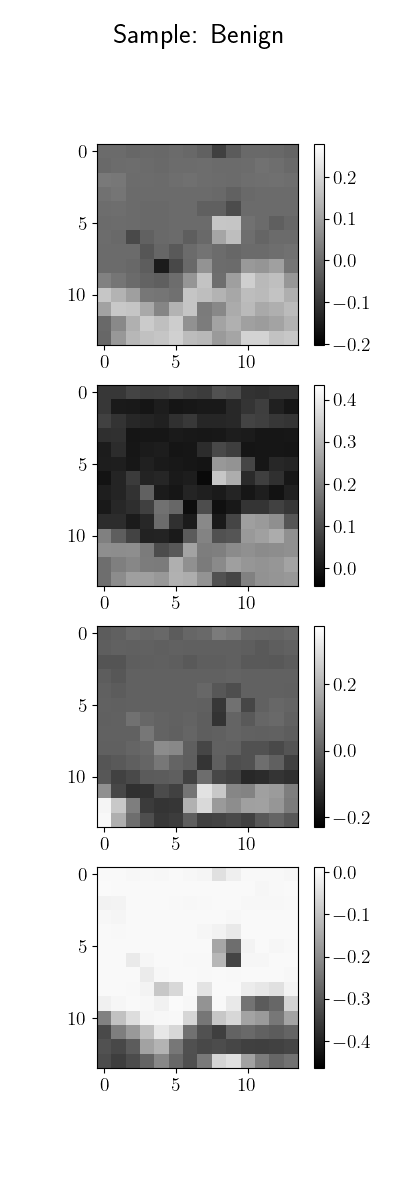
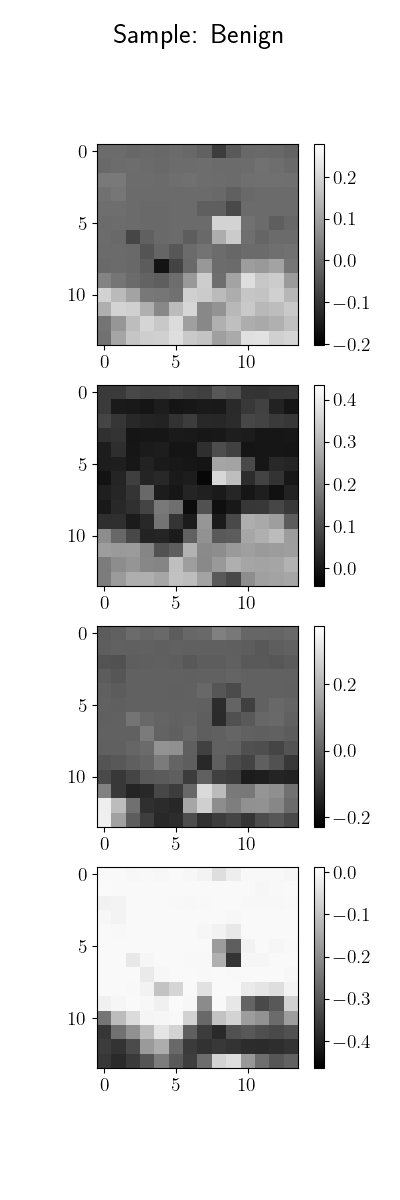
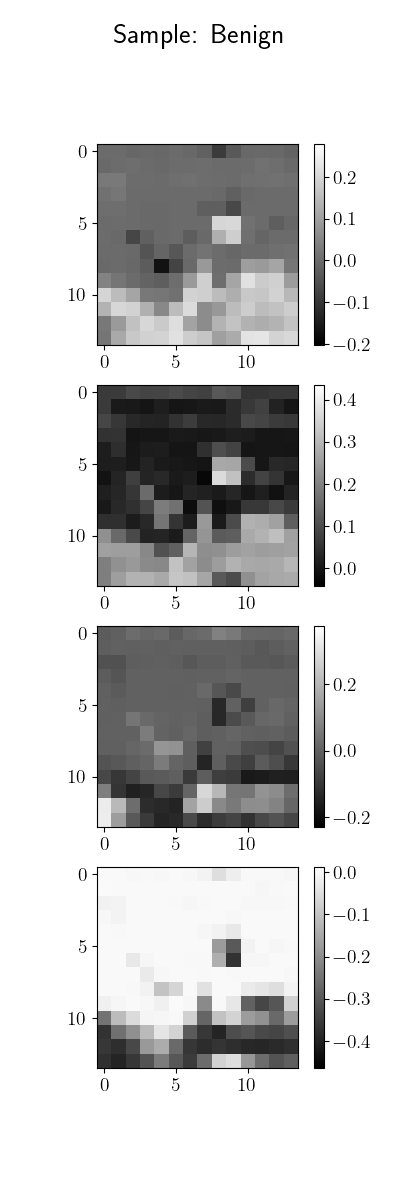
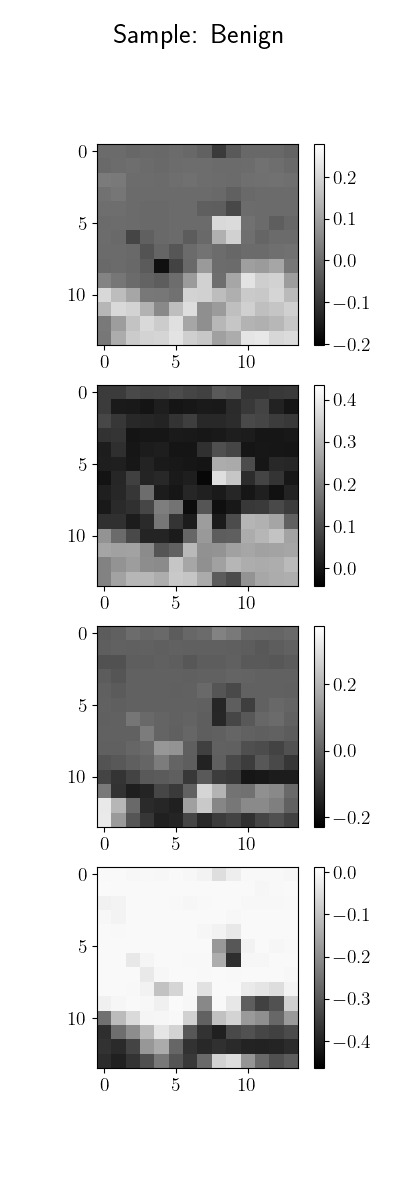
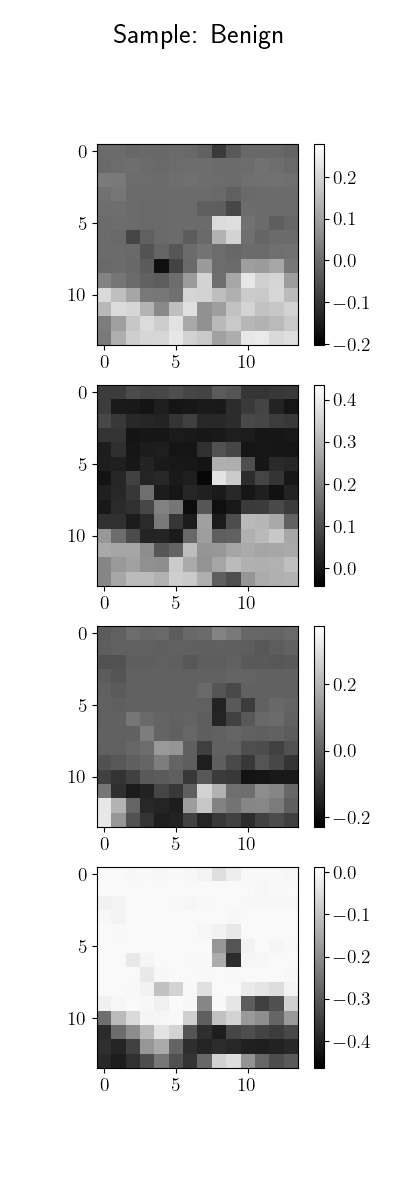
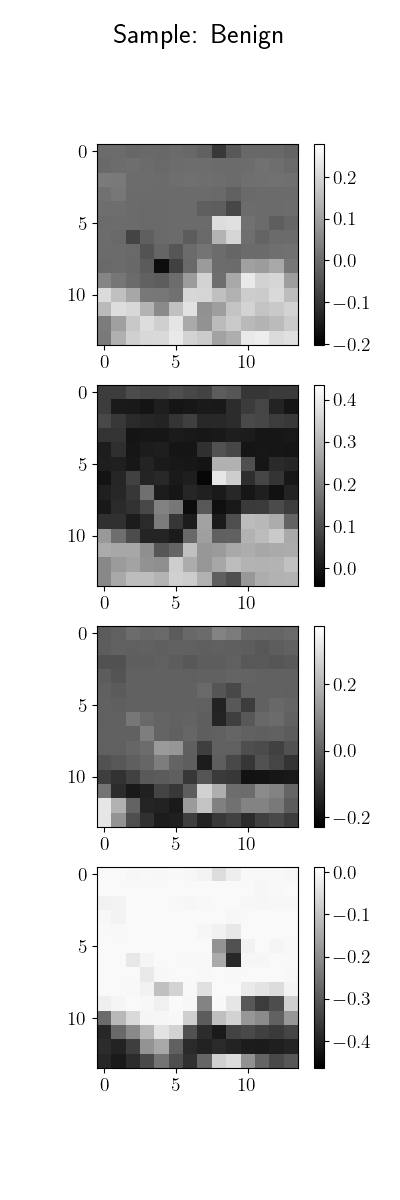
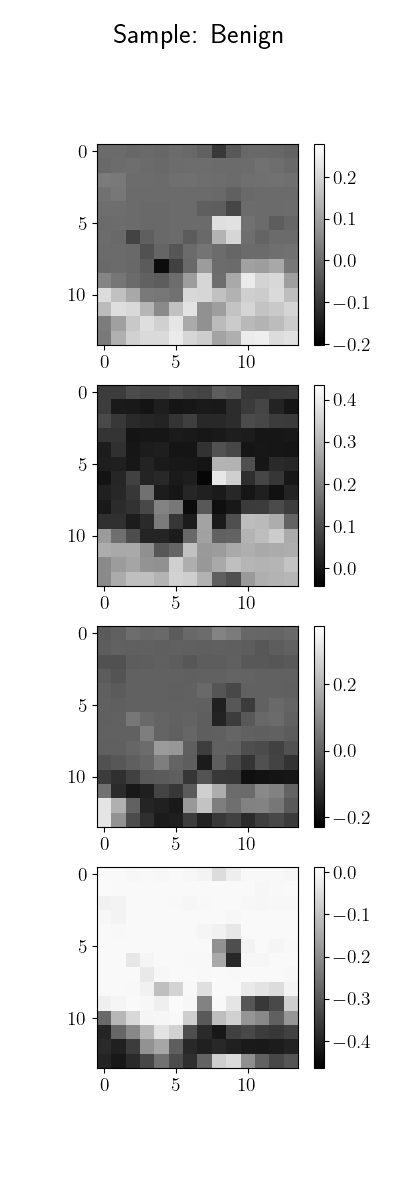
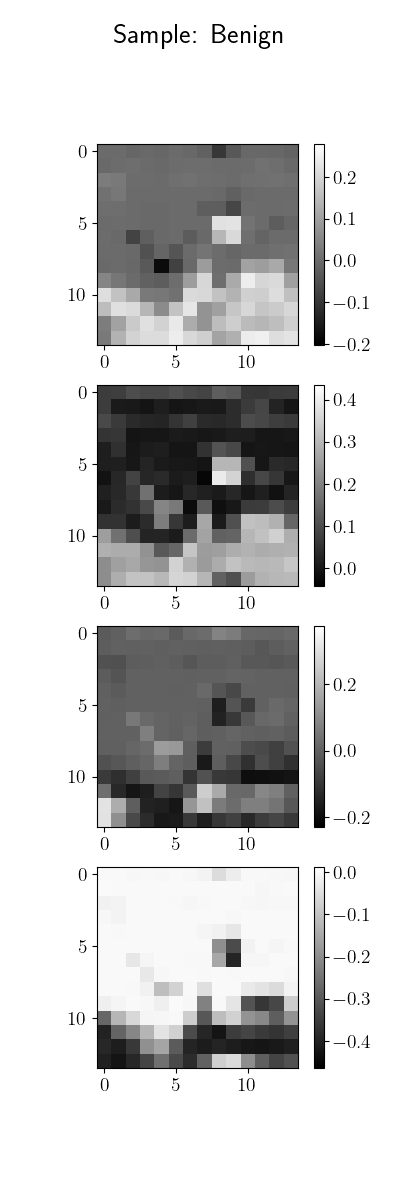
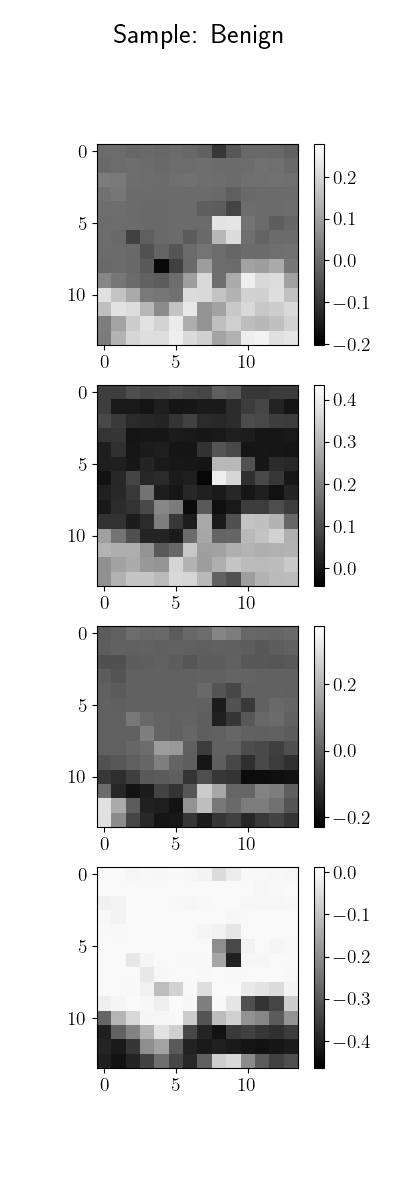
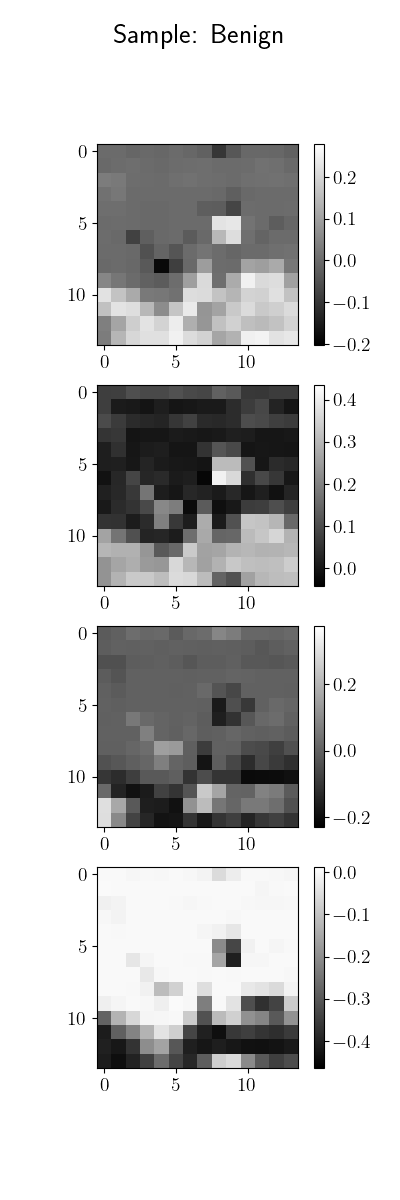
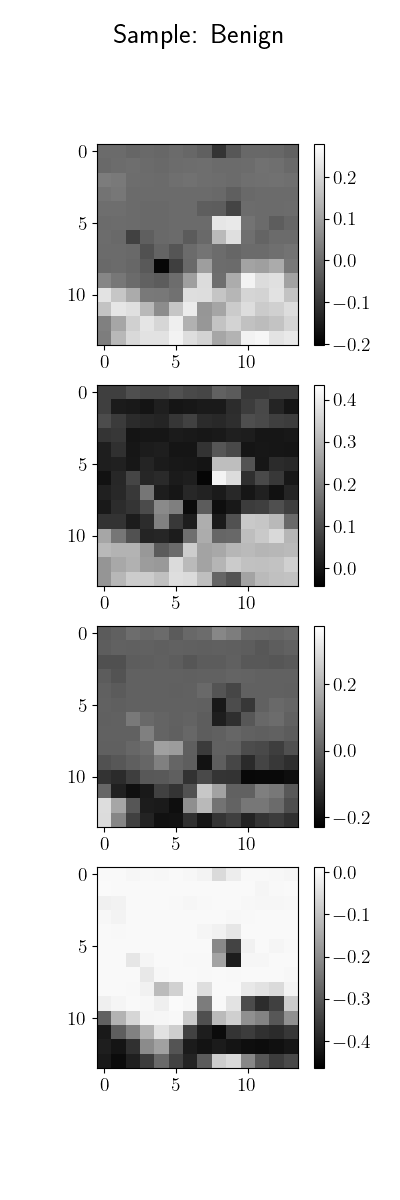
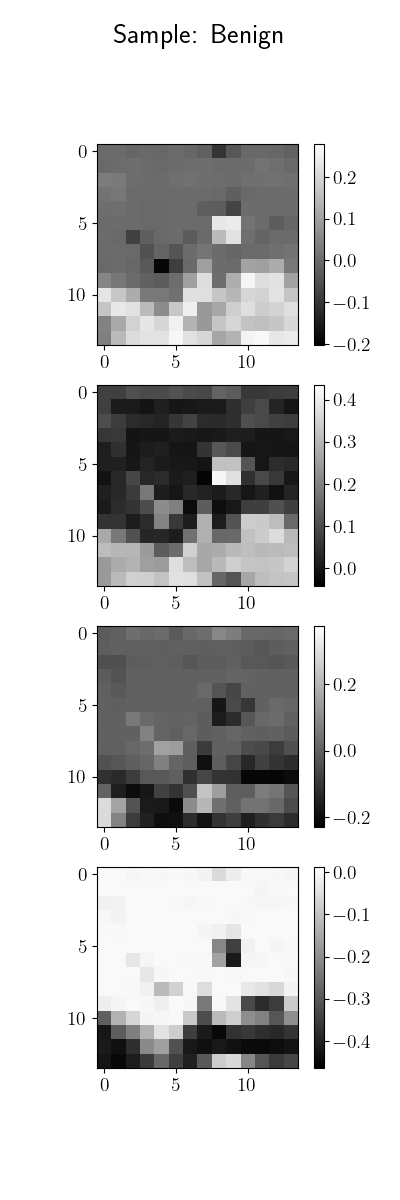
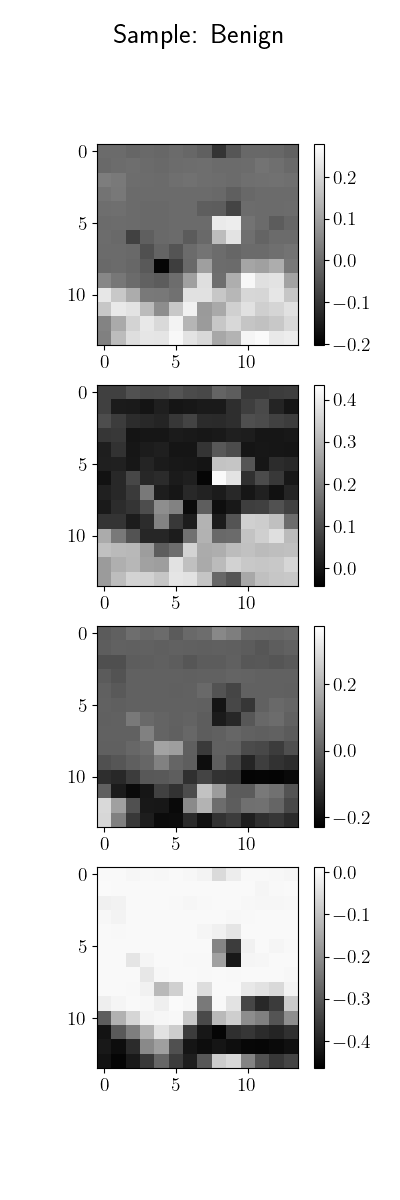
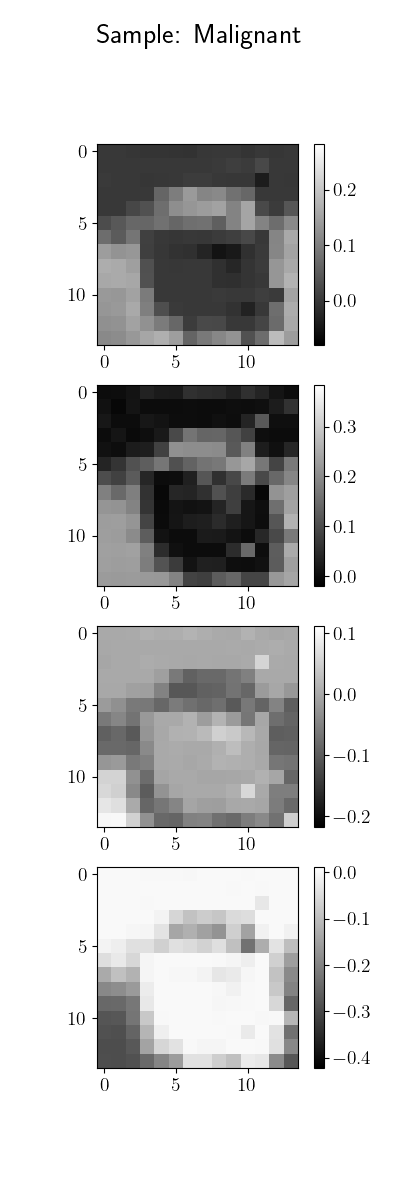
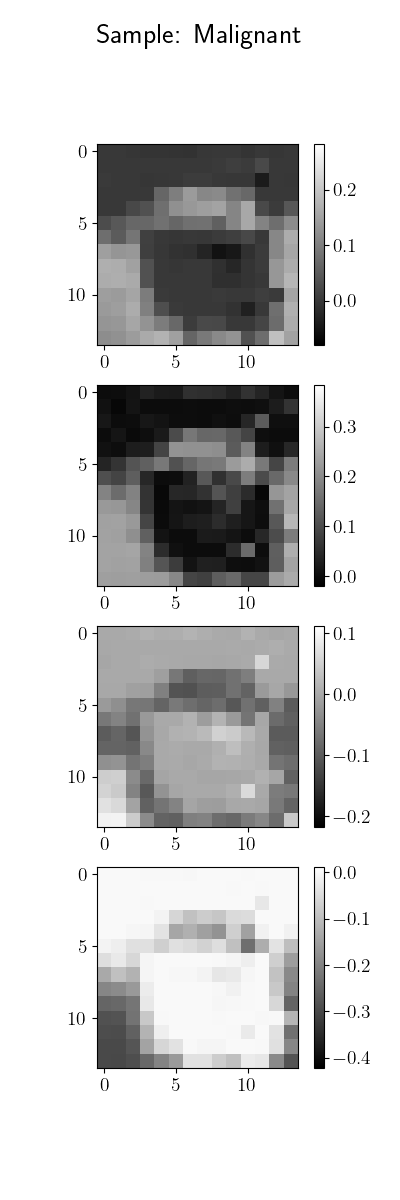
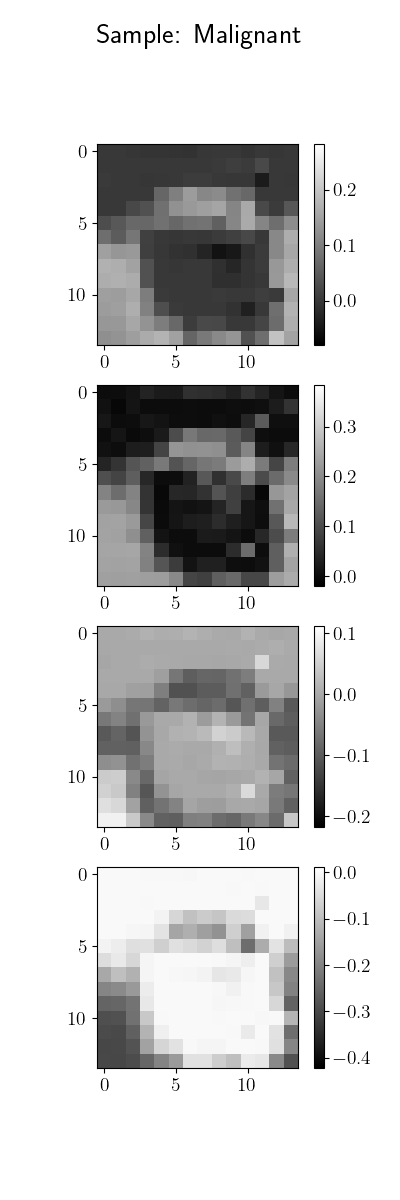
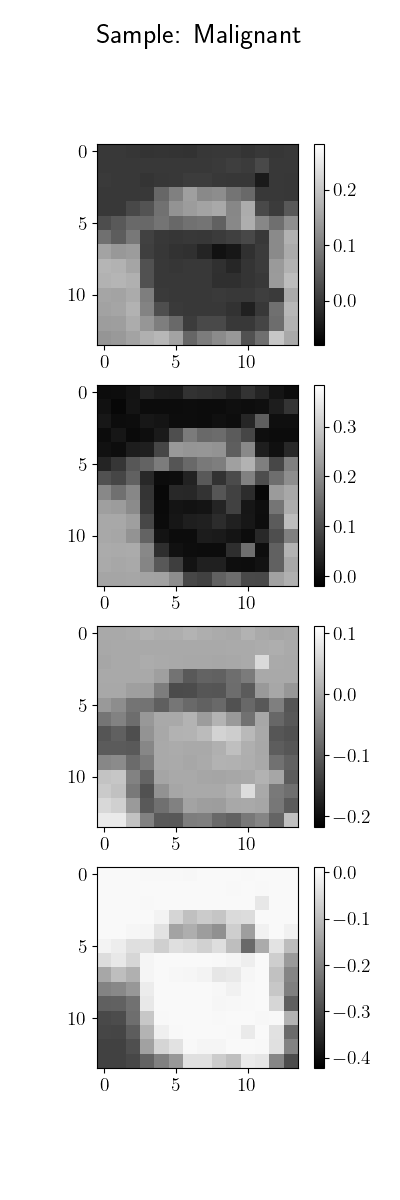
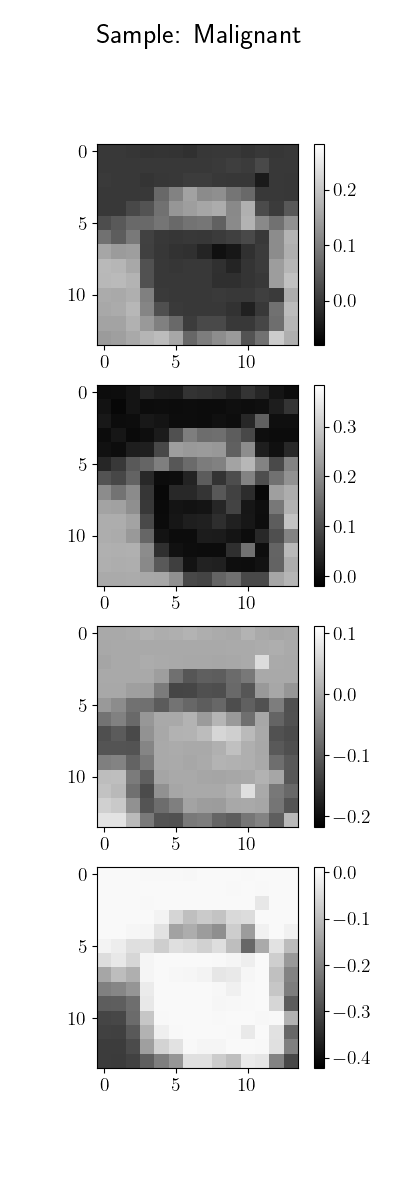
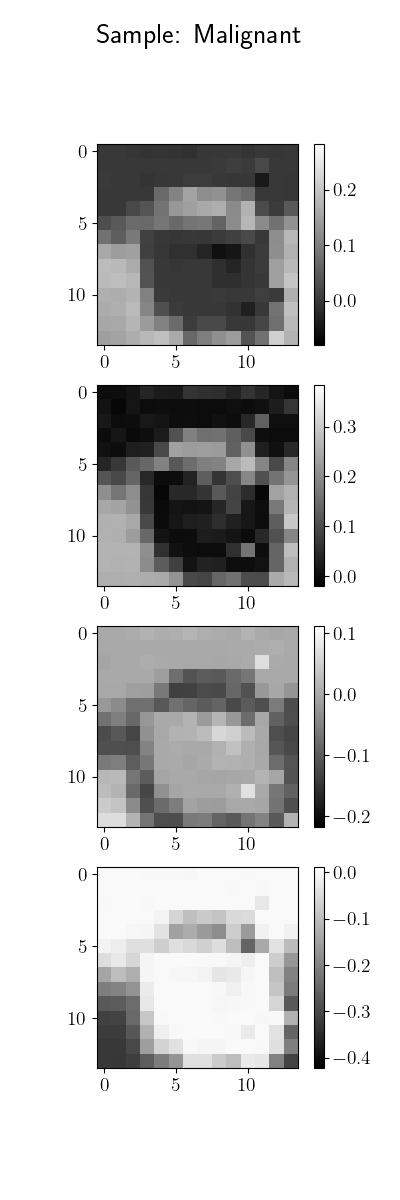
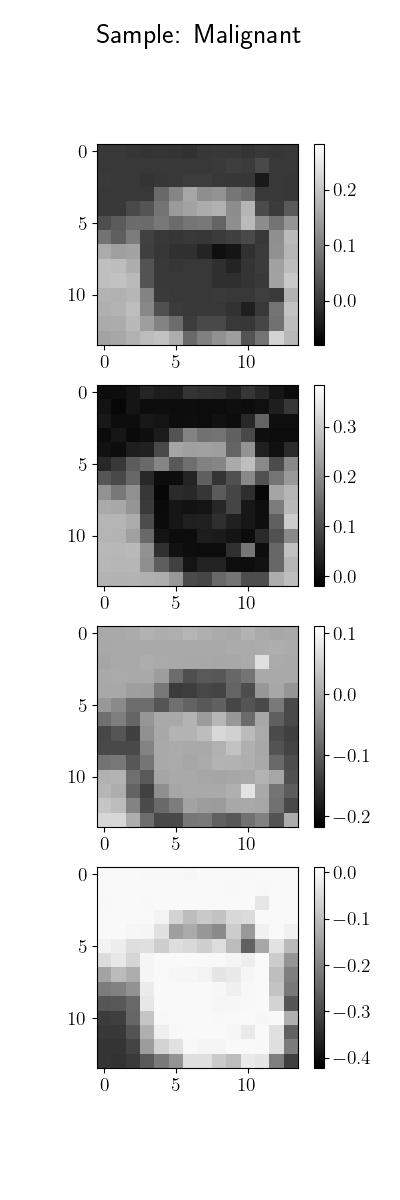
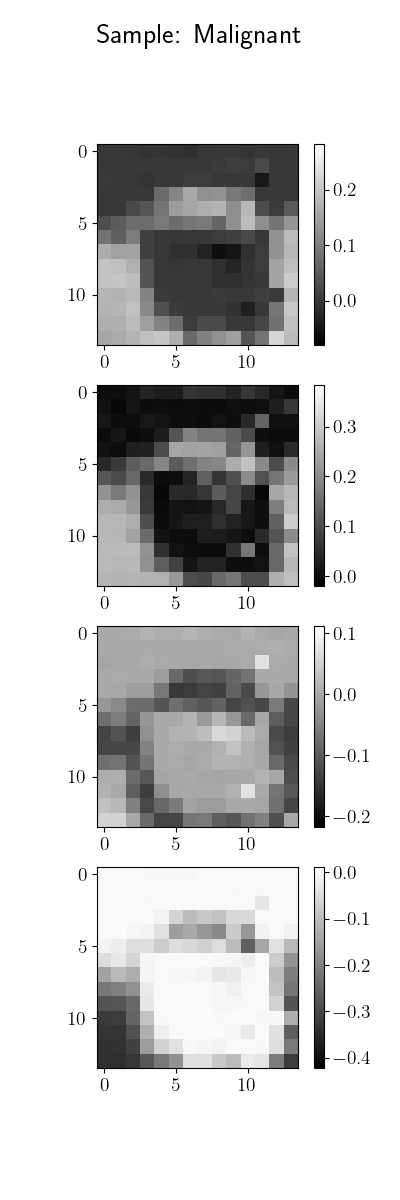
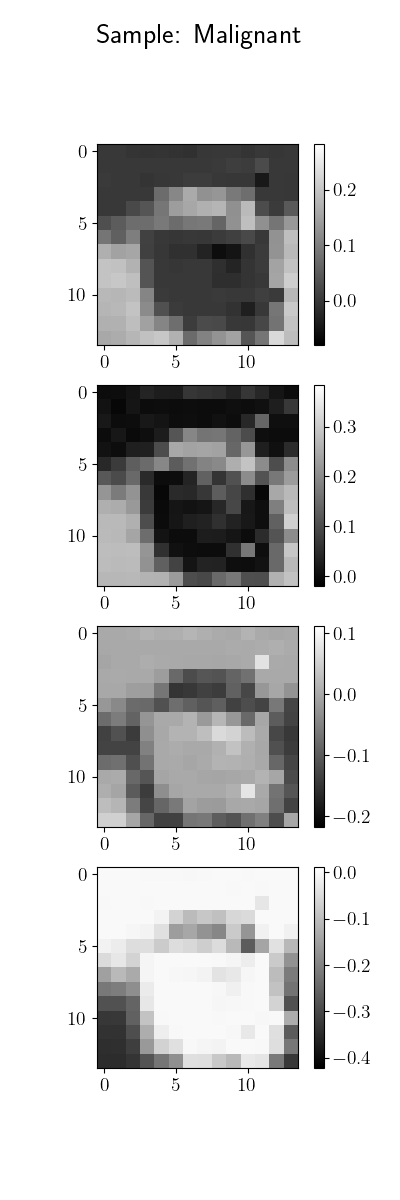
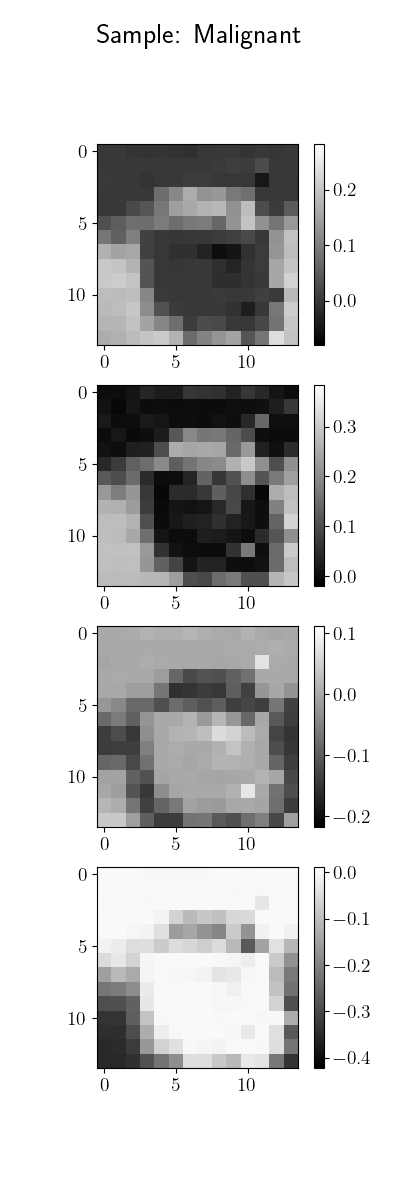
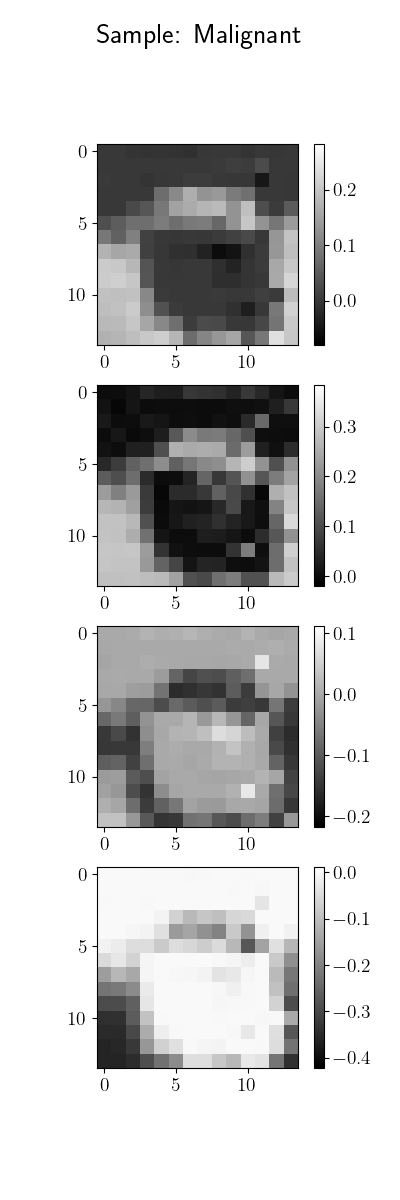
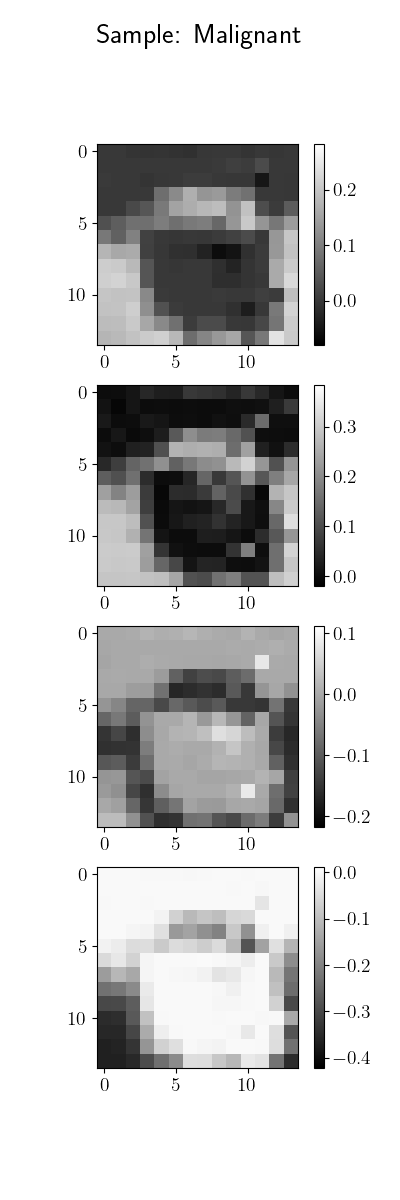
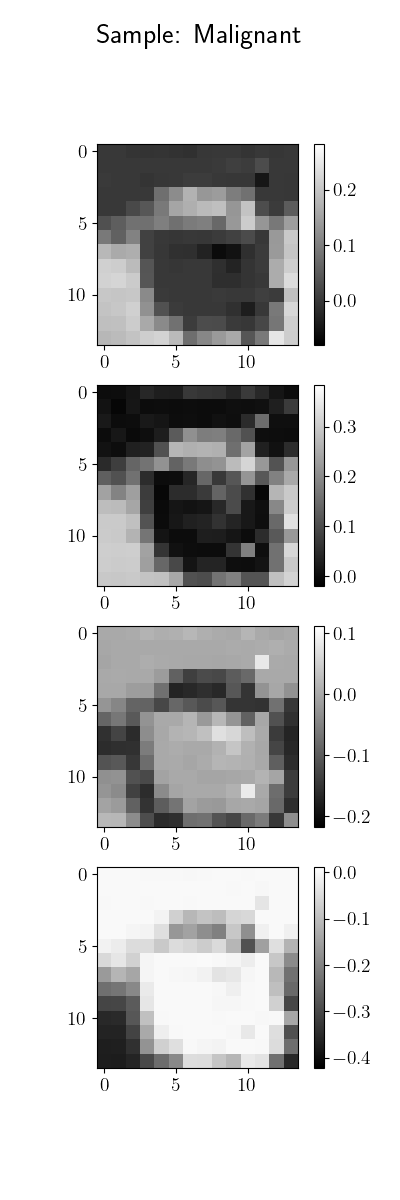
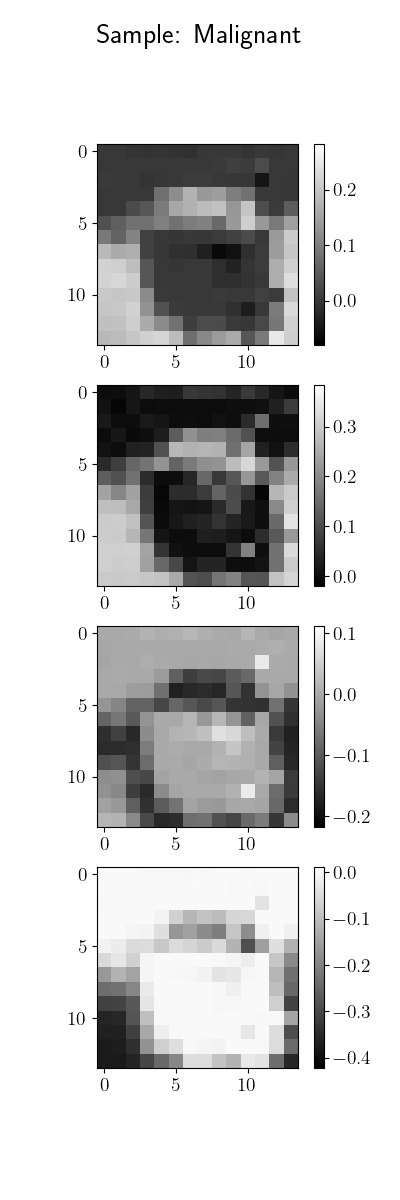
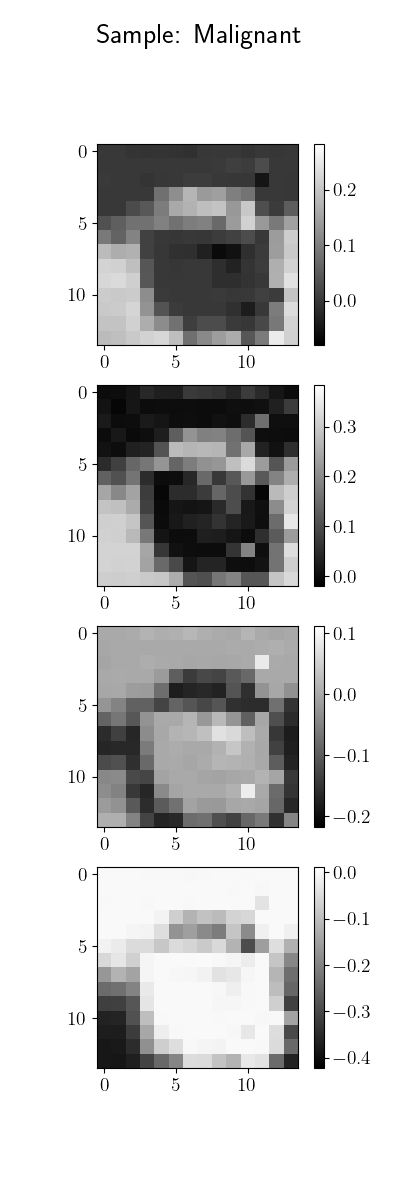
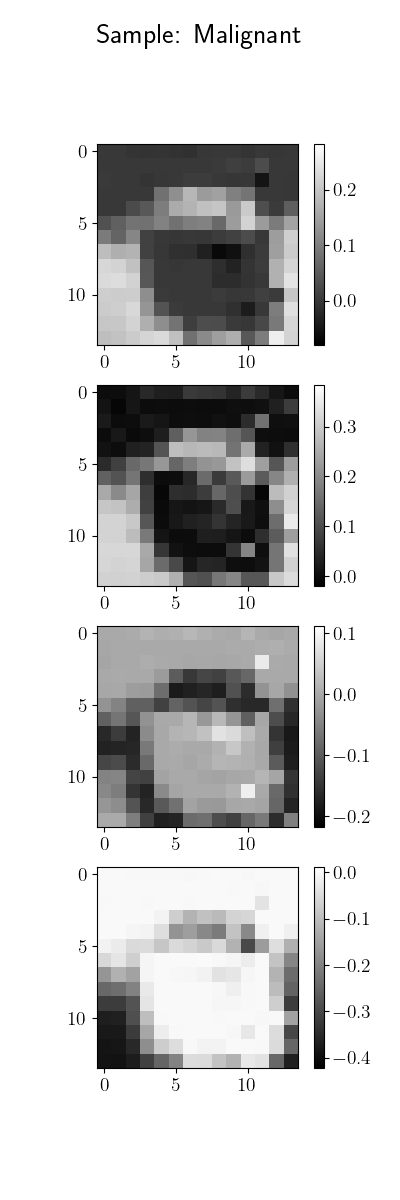
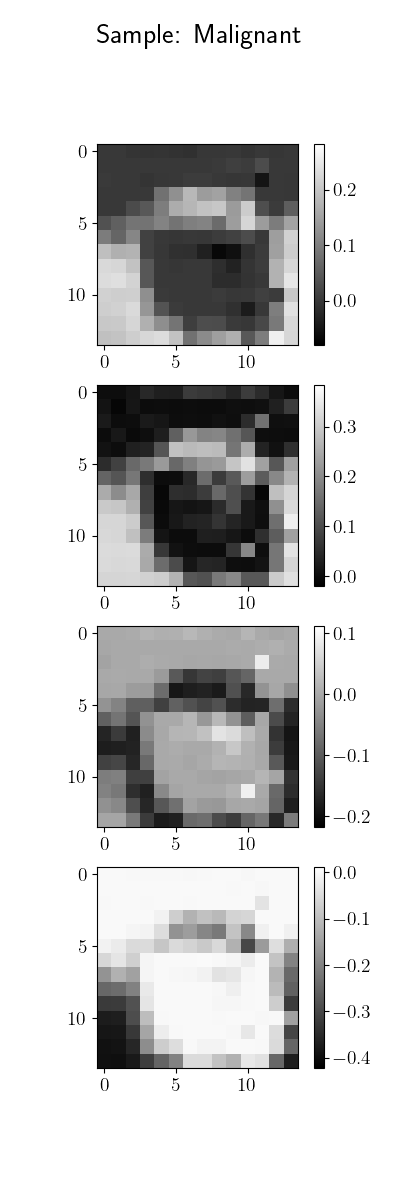
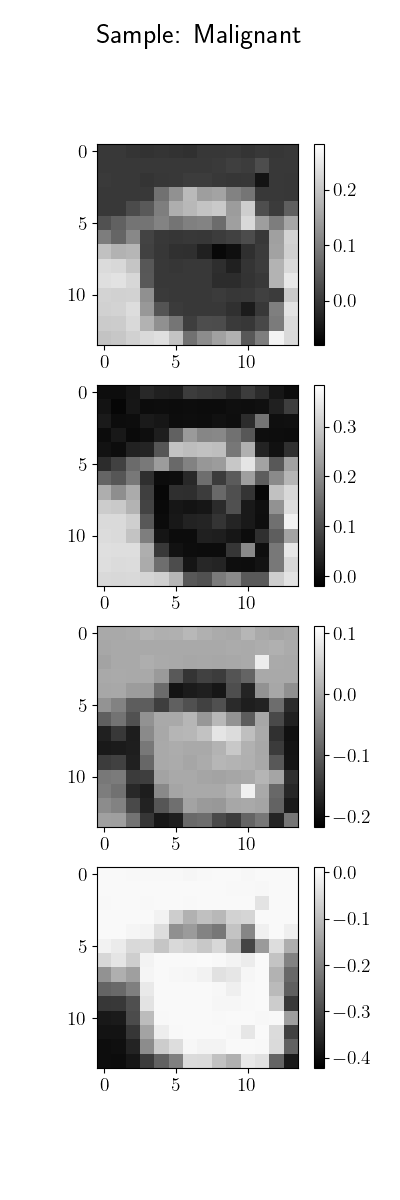
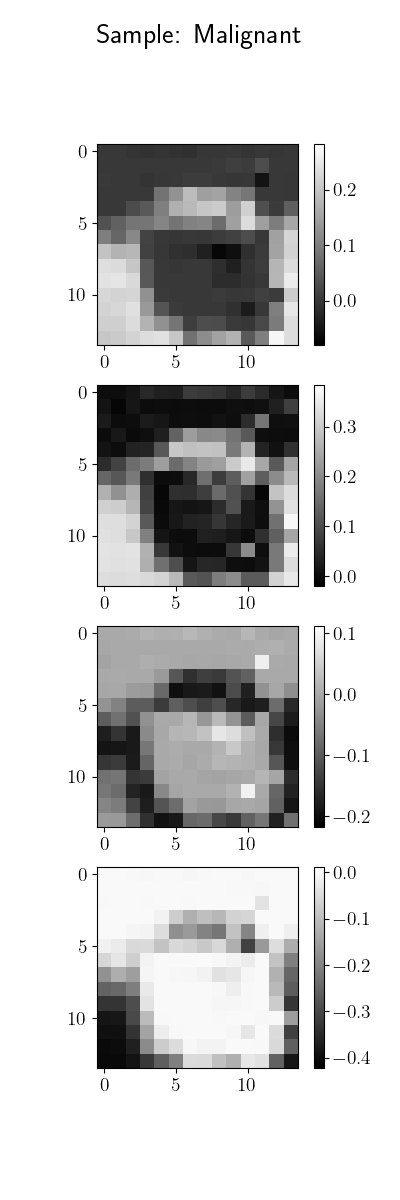
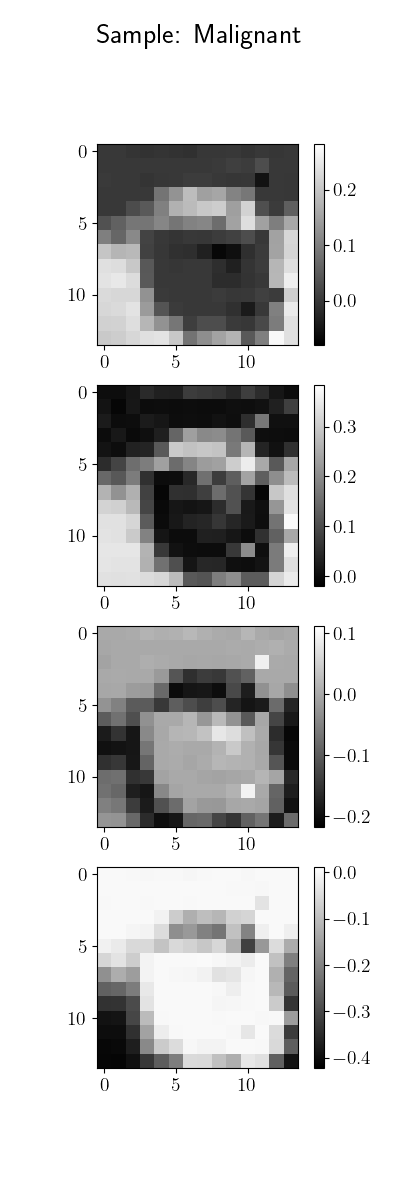
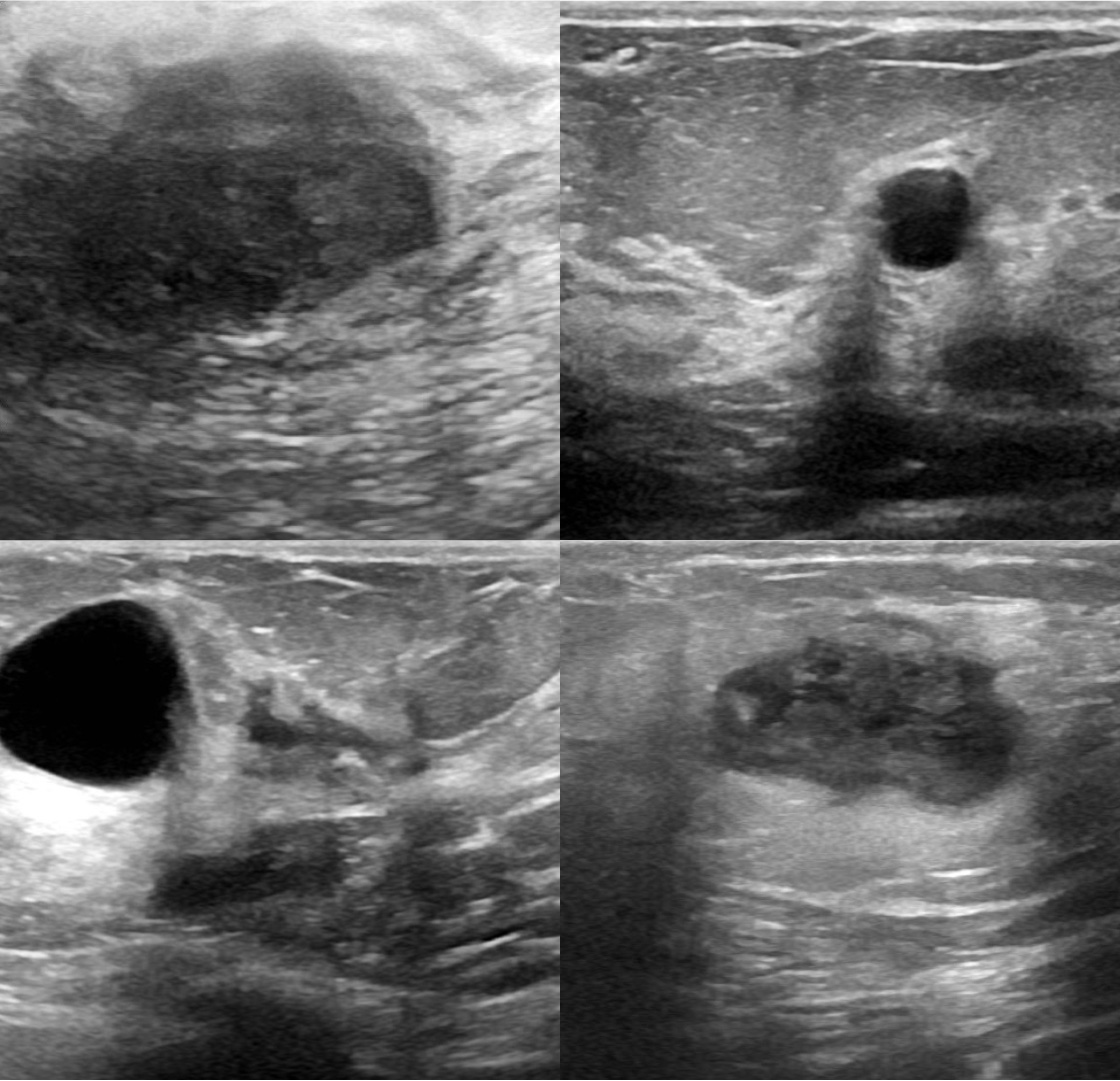
Example: Identification of breast cancer with a hybrid quantum-classical image recognition algorithm.
Challenges
Artificial intelligence increases in importance in medical diagnostics. In this critical context, accurate and reliable predictions are crucial. Training of machine learning algorithms typically requires large, annotated datasets, especially for computer vision tasks. Clinical studies typically achieve sample sizes of around 100 to 1000, which is often not sufficient for ML approaches. Quantum computing assisted algorithms promise to achieve high prediction accuracy even with limited amounts of data.
-
Image data in small numbers
-
Medical experts required to annotate the data
-
Image data is expensive
-
Comprehensible decision process
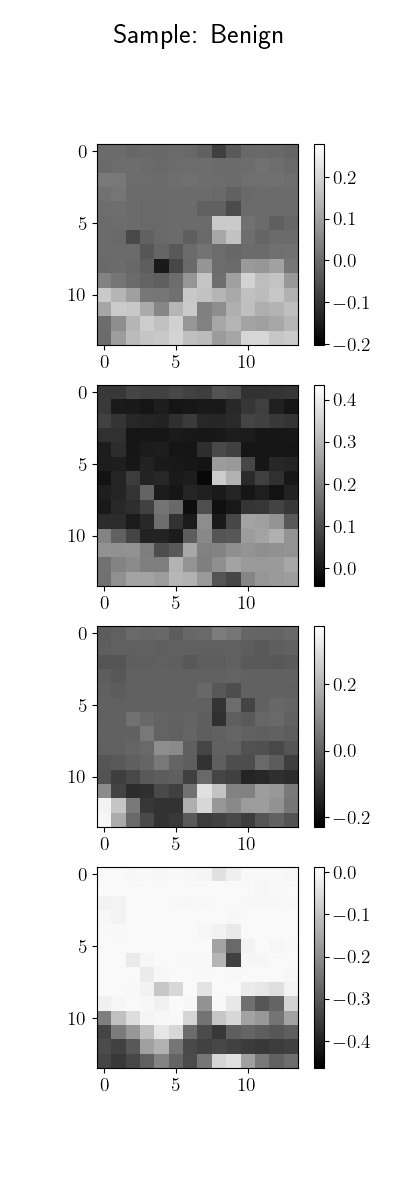
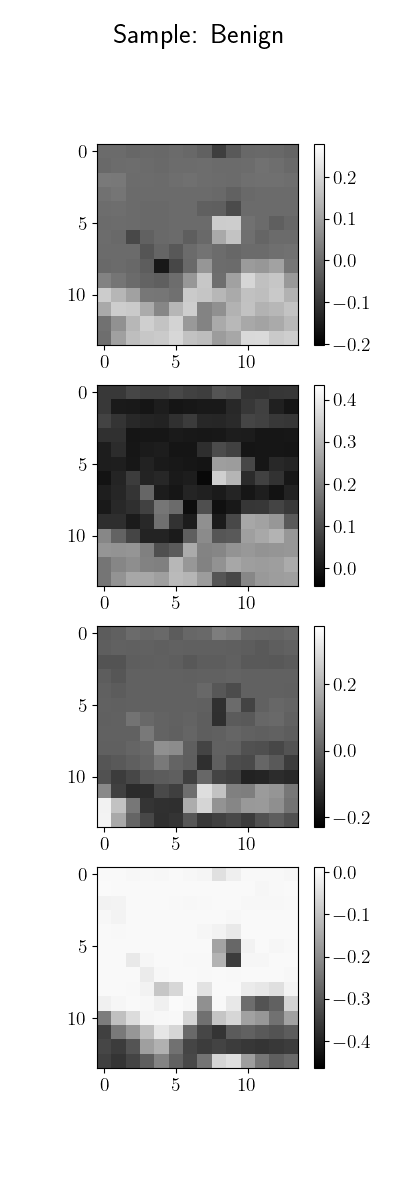
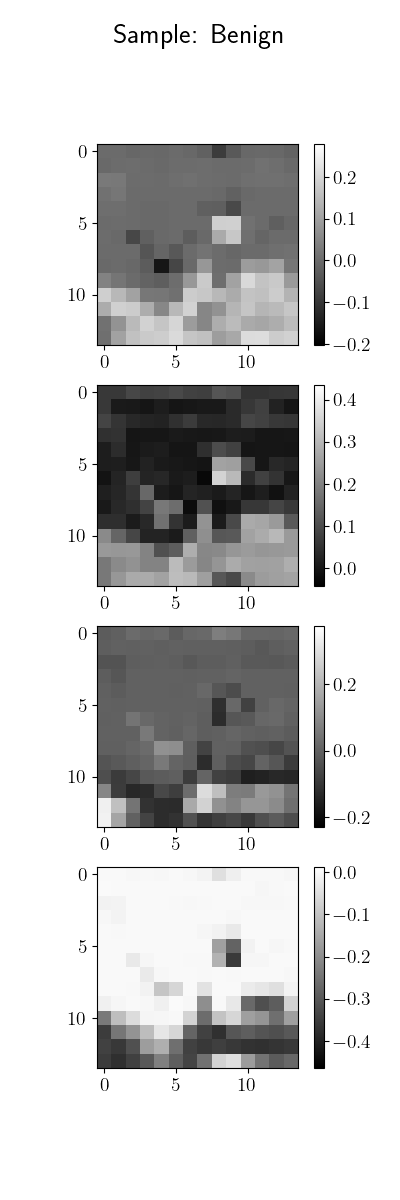
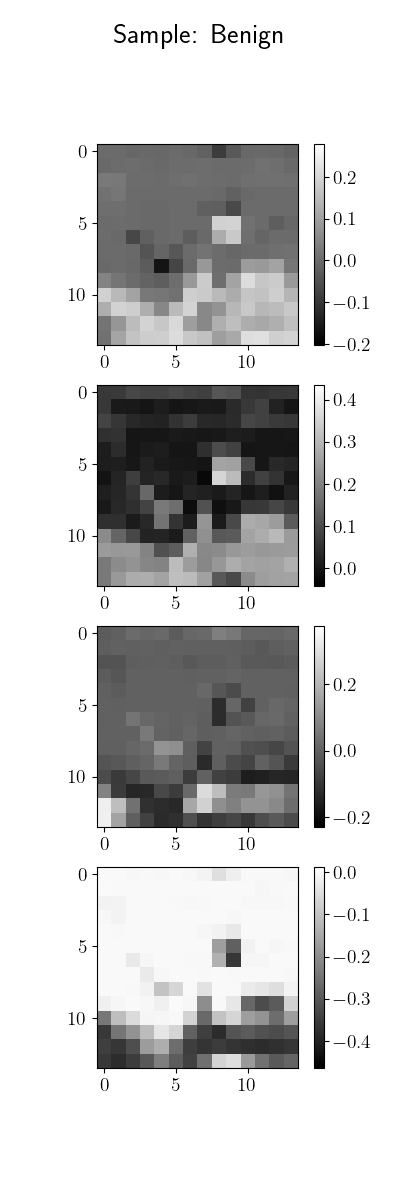
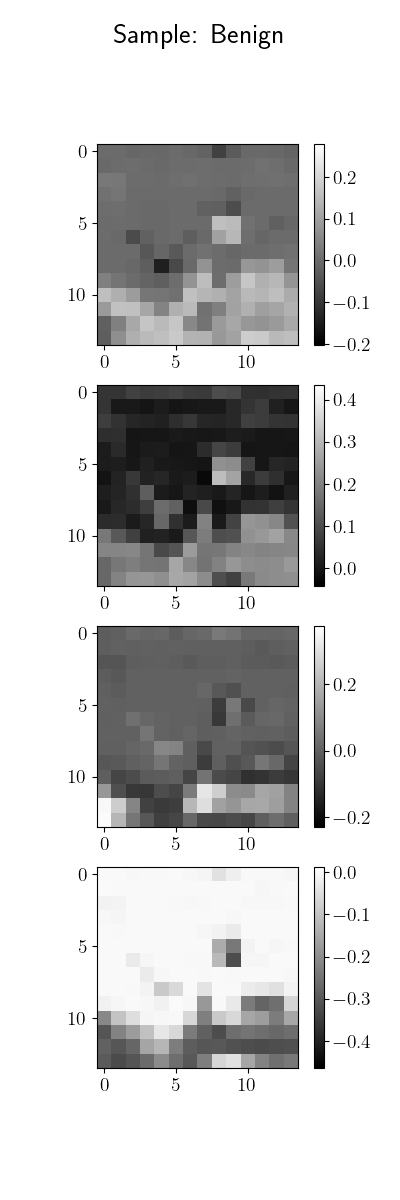
Paper: Quantum-classical convolutional neural networks in radiological image classification
Epoch 1
Results and benefits
-
Faster training convergence
In comparison to classical CNNs, QCCNNs may reach a better or similar performance while using less training parameters and/or training iterations
-
Less training data required
Theoretical findings indicate that general QCCNNs are able to reach a good performance also when only small training data is available – situations in which classical methods might fail
-
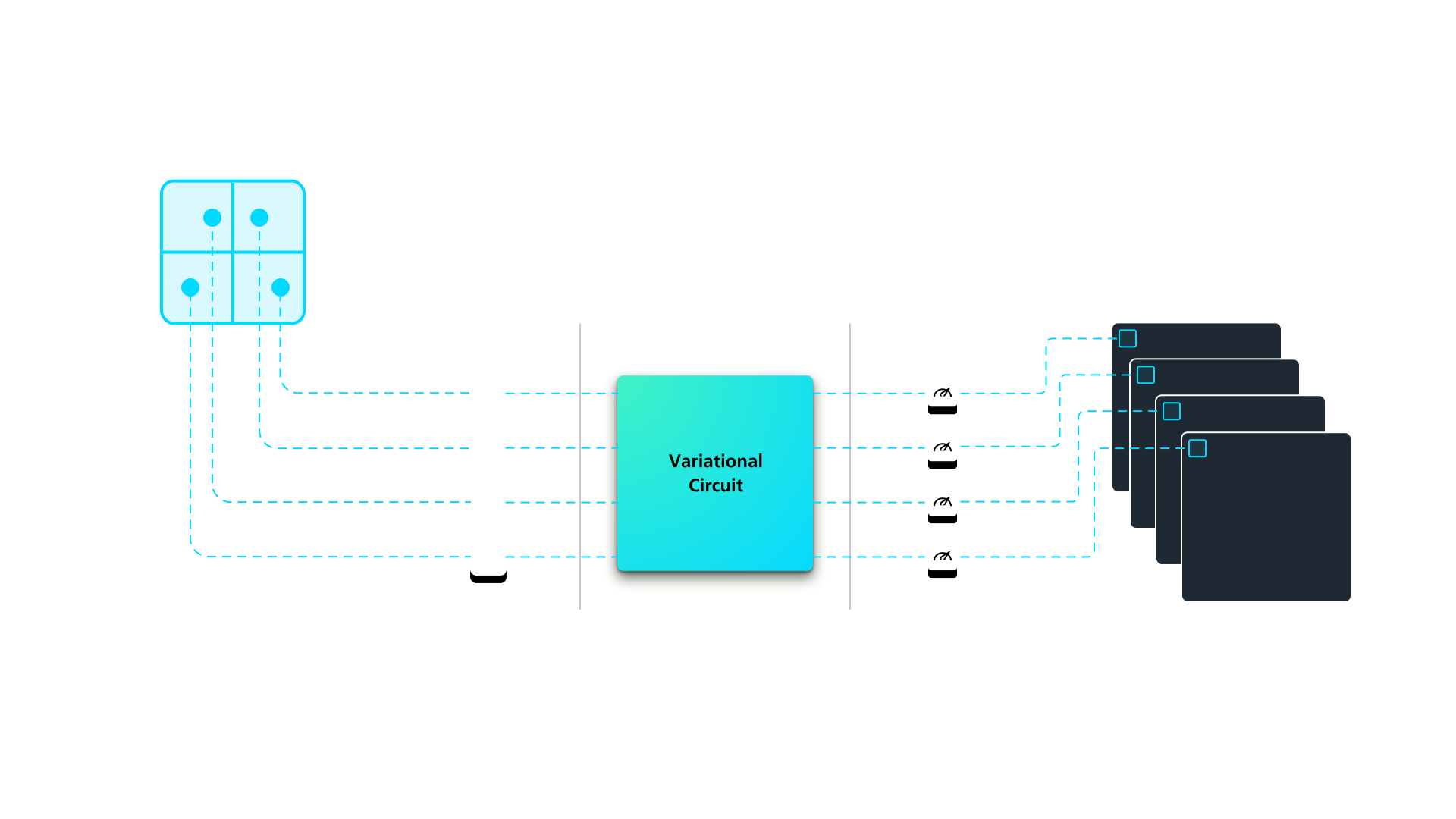
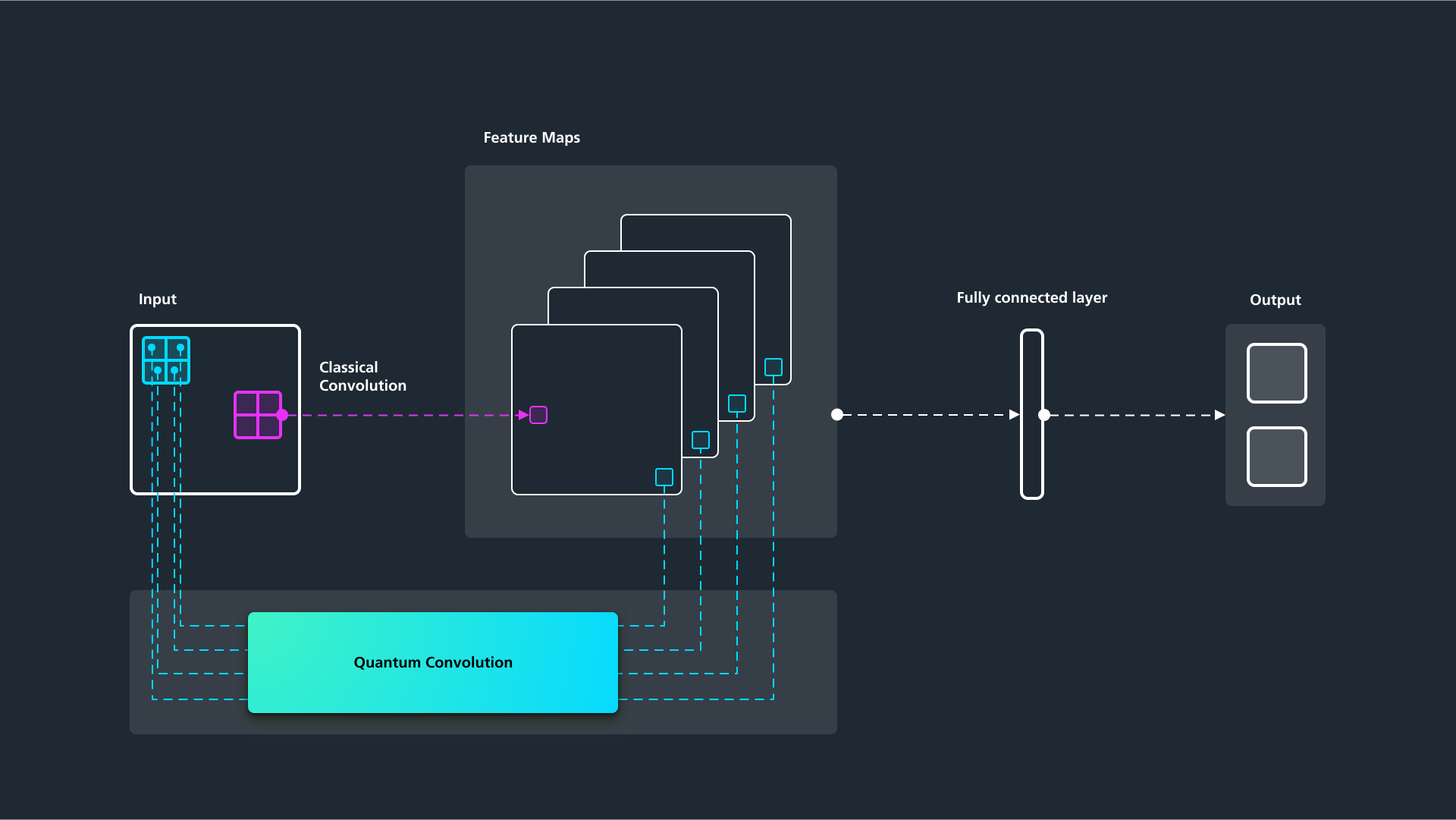
A QCCNN is a hybrid algorithm
The algorithm consists of parts running on classical computers and of parts running on quantum computers in an interaction between both systems. Current small quantum computers are already (almost) able to run these algorithms
-
Only small parts of the input data is processed at the same time
Data encoding into quantum computers is already possible with present quantum hardware
Get in touch